Opens in a new tab
Programmatic DOOH explained

Why programmatic DOOH is not just digital advertising on a bigger screen

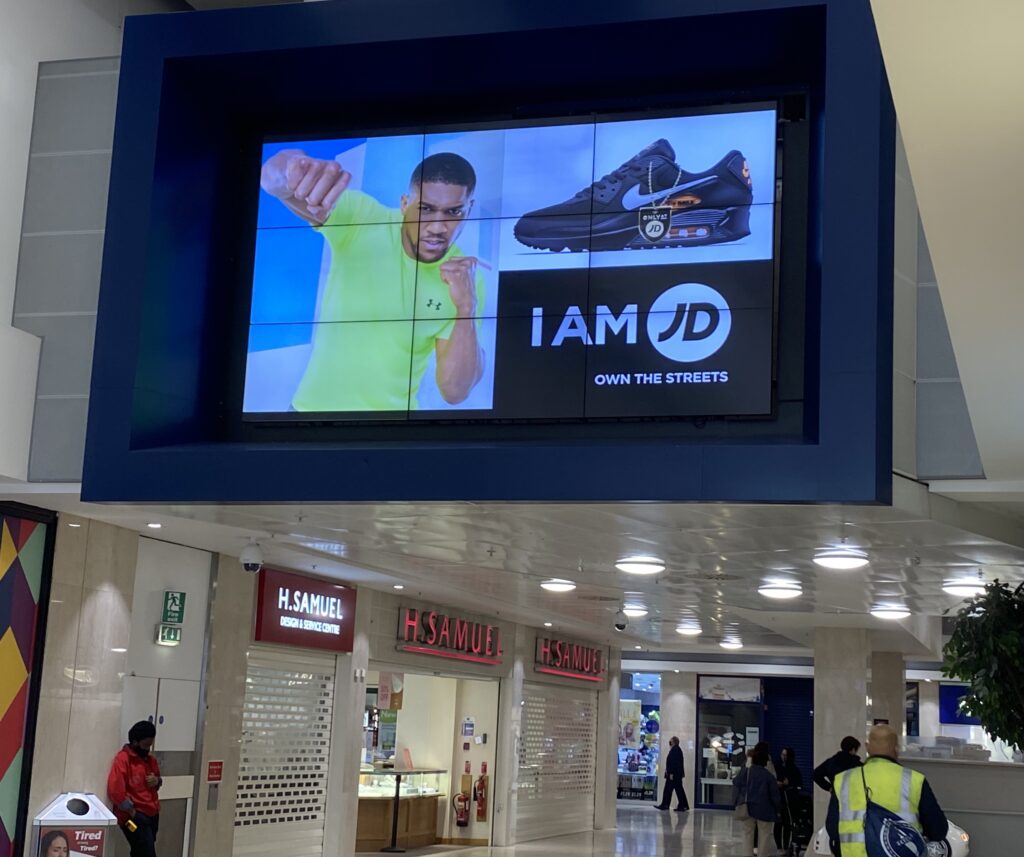
Programmatic digital out-of-home uses technology to buy eligible screen inventory, but the media still appears in real places, in front of real audiences, under very different viewing conditions to online display. That changes how the channel should be planned, bought and judged.
Digital out-of-home advertising screen suitable for an audience-led campaign
Programmatic buying still depends on the quality of the screen, place, audience and creative
75.7%

of global pDOOH spend was transacted through private marketplaces in WOO's 2026 study

65.5%

of spend flowed through OOH-specialist DSPs rather than omni-channel platforms

$1.339bn

global pDOOH spend in 2025 according to the independently aggregated WOO study

Start with the basics

What programmatic DOOH actually means

Programmatic digital out-of-home, usually shortened to pDOOH, is a way of buying eligible digital outdoor screens through technology rather than relying only on a traditional direct booking. Campaign rules can include geography, time, environment, audience signals and other approved conditions.
The important point is that the buying route changes, but the medium does not stop being outdoor advertising. The screen still sits in a specific place. People still view it at a particular distance and for a limited amount of time. The surrounding environment still affects how the message is seen.
Why the channel behaves differently

Programmatic technology does not remove the importance of place

Online display can be bought around individual devices and browsing behaviour. DOOH appears in shared public environments, so the campaign still needs to make sense for the physical location and the viewing conditions.
01

The screen has a real-world context

A roadside digital billboard, rail screen and retail display do not create the same opportunity. Location, dwell time, distance and environment all affect how the message should be planned.
02

Creative has less time to work

Outdoor creative usually needs a simple message, clear branding and strong visual hierarchy. More targeting does not make a cluttered advert easier to understand.
03

Inventory quality still matters

A programmatic route should not turn screen selection into an afterthought. The quality and suitability of the inventory still need to fit the audience and campaign objective.
04

Buying often remains relationship-led

WOO's 2026 figures show private marketplaces dominating global pDOOH spend. That points to a market where access, curation and specialist knowledge remain important.
When it makes sense

Programmatic DOOH is useful when flexibility adds something to the campaign

Programmatic buying can be useful when the brief benefits from tighter timing, multiple locations, changing creative, controlled environments or specific contextual triggers. It can also make it easier to activate suitable inventory across more than one media owner or platform.
It is not automatically the right answer for every campaign. A direct booking may offer better certainty for a particular premium site, fixed period or guaranteed placement. In some cases a mixed approach gives the strongest balance of flexibility and control.
See our programmatic DOOH service
Before you buy

Six questions worth asking before a pDOOH campaign goes live

Which screens and environments are actually eligible?

Make sure the buying route still gives access to inventory that fits the brief rather than simply the largest available pool.

What is the campaign trying to improve?

Use programmatic controls because they help the objective, not because the technology is available.

Which data or contextual signals are being used?

The logic should be clear enough to explain and relevant enough to influence a real media decision.

How will the creative change by context or timing?

If the campaign uses multiple versions, each one still needs to work quickly and clearly on an outdoor screen.

What are the buying and technology costs?

Compare the total cost of the route, including platform, data, creative and reporting requirements where relevant.

How will delivery and performance be checked?

Agree pacing, proof of delivery and reporting before launch so the campaign can be reviewed consistently.
Campaign first

Use programmatic DOOH when it improves the plan, not simply because it is available

Tell us who you need to reach, where, when and with what budget. DOOH Media can compare direct and programmatic routes, suitable screens and realistic delivery options before recommending where the campaign budget should go.
Discuss a programmatic DOOH campaign