01
Classic six-sheet posters
Use a fixed printed presence at selected shelters for consistent visibility throughout the campaign period.

Bus shelter and bus stop advertising
Reach pedestrians, passengers, drivers and nearby communities through carefully selected classic and digital shelter locations.
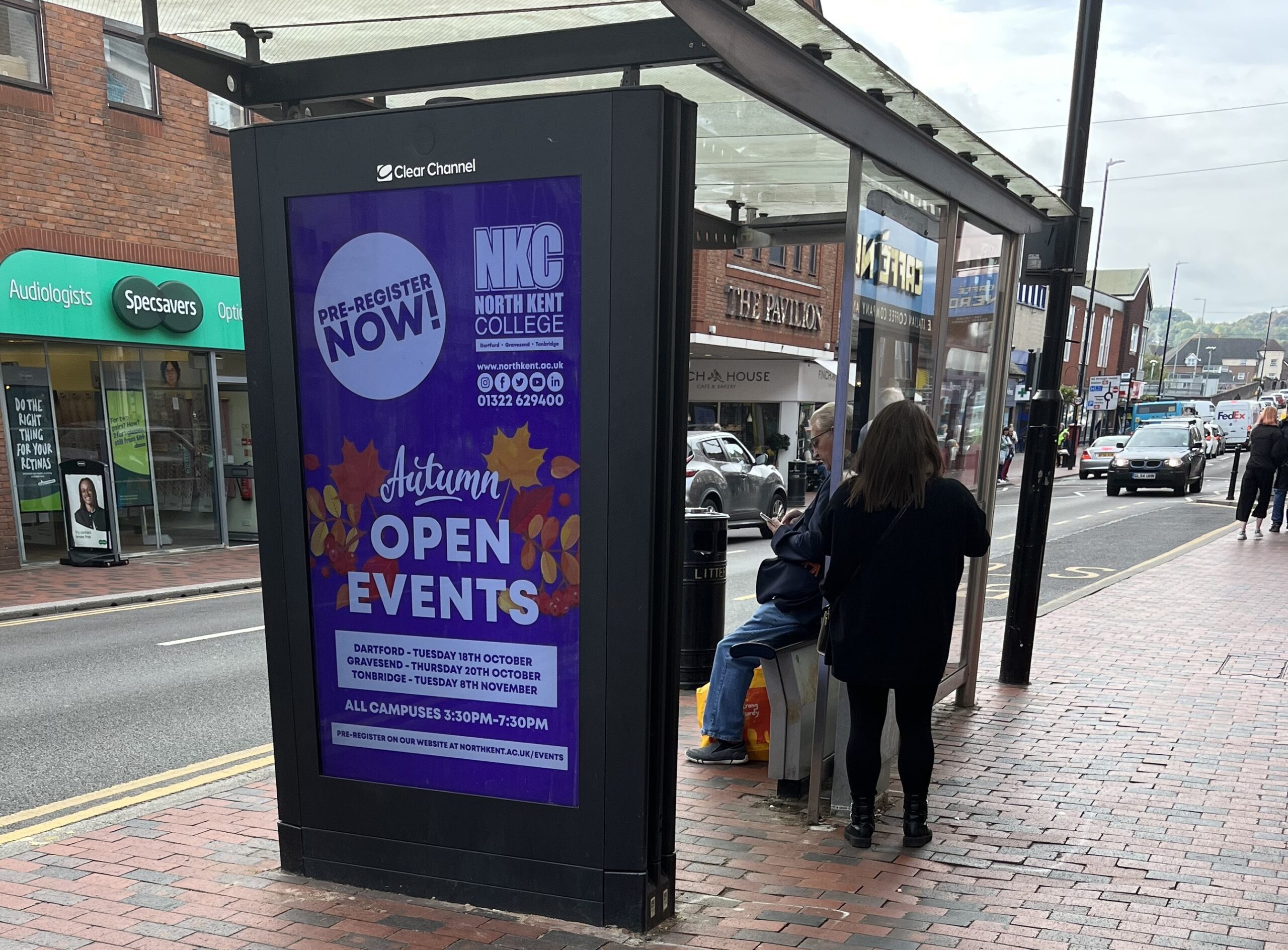
Fixed local visibility around routes, retail areas and community destinations
Street level
Local focus
Classic + digital
A familiar format in useful places
Bus shelter advertising sits at street level, often close to shops, workplaces, neighbourhoods and transport connections. It can support local awareness, direct people towards a nearby destination or add repeated visibility across a wider town or city plan.
DOOH Media checks suitable current shelter inventory and helps decide whether classic posters, digital screens or a combination will best support the audience, geography, message and campaign budget.
Campaign options
Exact products and availability vary by media owner and area. Recommendations are confirmed against current sites rather than a generic format list.
01
Use a fixed printed presence at selected shelters for consistent visibility throughout the campaign period.
02
Use scheduled creative and flexible messaging where suitable digital inventory is available.
03
Concentrate sites around a town centre, store, venue, service area or customer journey.
04
Build broader repetition by connecting relevant shelters across several areas or city routes.
Budget and buying
Bus shelter advertising prices depend on the town or city, individual location, classic or digital delivery, campaign dates, duration and number of sites.
Printed campaigns can add production and posting costs, while digital bookings may be priced by a share of screen time or network package. A current brief allows DOOH Media to compare realistic routes within the available budget.
Request current optionsTown, city, site position and audience demand
Classic poster or digital screen availability
Campaign dates, duration and number of shelters
Artwork versions, print, posting or digital delivery
From brief to live campaign
1
Define the audience, locations, dates, objective and approximate budget.
2
Check relevant current shelter locations and classic or digital options.
3
Design a simple, legible message for street-level viewing and the booked specifications.
4
Coordinate bookings, production or trafficking, live dates and available evidence.
Useful questions
Cost varies by location, format, dates, campaign length, number of sites and production. A target area and budget are the best starting point for current options.
The terms are often used for the same street-level format. Some stops do not have advertising panels, so the plan is based on suitable available shelter inventory.
Potentially, subject to available sites. DOOH Media can search around a defined destination or catchment and explain the closest practical options.
Some shelter networks include digital screens. Availability, scheduling and artwork specifications vary by location and media owner.
Ready when you are
Share the target area, dates, audience and budget. DOOH Media will check the bus shelter opportunities that fit the brief.
Start a campaign conversation