01
Inventory and environment
Define the types of screens, locations and public environments that are suitable for the brand and campaign objective.
Programmatic digital out-of-home advertising
Use suitable digital out-of-home inventory through flexible buying technology while keeping location quality, creative, delivery controls and the campaign objective firmly connected.
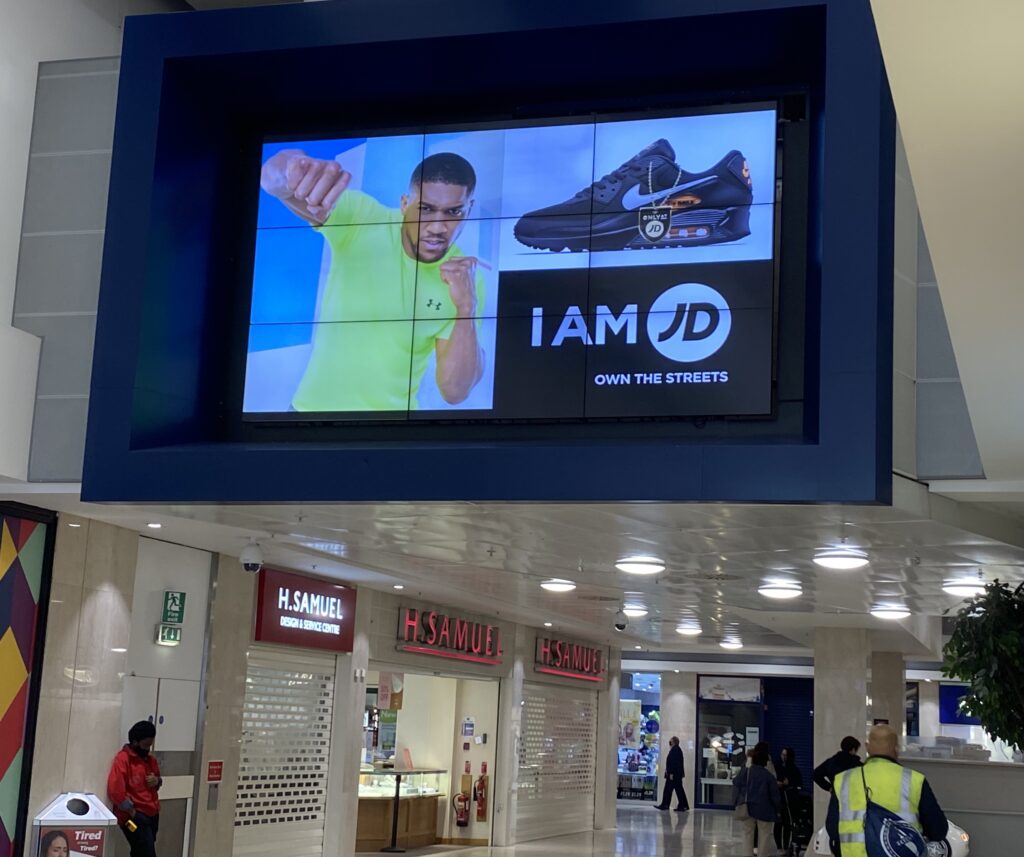
Audience signals, screen context, timing and creative considered together
Flexible buying
Audience-led
Controlled
What programmatic DOOH means
Programmatic digital out-of-home, often called programmatic DOOH or pDOOH, uses technology to buy eligible digital screen inventory according to an agreed set of campaign rules. Those rules may consider geography, time, environment, available audience signals and other approved conditions.
It is not simply online advertising placed onto a larger screen. People see DOOH in shared physical environments, so screen quality, location, viewing conditions and creative simplicity still matter. DOOH Media helps decide when programmatic buying adds useful flexibility and when a direct or mixed booking is more appropriate. For a deeper explanation, read our guide to how programmatic DOOH differs from standard digital programmatic.
Planning controls
Available controls differ by platform, media owner and inventory source. The final activation is confirmed against the live campaign brief.
01
Define the types of screens, locations and public environments that are suitable for the brand and campaign objective.
02
Use relevant, permitted data or contextual triggers only where they improve the planning decision and can be explained clearly.
03
Plan dayparts, dates, creative versions and approved triggers around moments that make sense for the message.
04
Agree budgets, pacing, verification and reporting fields before launch so the campaign can be reviewed consistently.
Budget and buying
Programmatic DOOH costs depend on the available inventory, geography, environment, screen quality, audience demand, campaign dates, buying platform, data requirements and the way impressions or screen plays are traded.
Technology fees, creative versions and specialist reporting can also affect the total budget. A direct booking may sometimes offer better certainty, while programmatic buying may add flexibility. The right comparison starts with the campaign objective rather than assuming one route is always cheaper.
Request current optionsEligible screen inventory and geographic coverage
Buying platform, data and approved targeting rules
Campaign timing, pacing and competitive demand
Creative versions, trafficking and reporting requirements
From brief to live campaign
1
Agree the audience, locations, context, objective, dates, creative opportunity and available budget.
2
Review eligible screens, inventory sources, buying routes and the controls each option supports.
3
Set geography, timing, pacing, creative rules, brand-suitability controls and reporting expectations.
4
Traffic approved creative, monitor delivery and review the campaign against the agreed plan.
Useful questions
Programmatic DOOH is a technology-enabled way to buy eligible digital out-of-home inventory using agreed campaign rules such as location, time, environment and permitted audience or contextual signals.
Digital OOH describes the screen-based medium. Programmatic describes one way of buying some of that inventory. A digital OOH plan can use direct, programmatic or mixed buying routes.
Often yes. Several approved creative versions may be scheduled or triggered according to the inventory and platform rules. Every version still needs to meet the screen specifications and campaign standards.
No. It is useful when its flexibility or controls support the objective. A direct booking may be clearer when fixed sites, guaranteed presence or a specific package matters more.
Ready when you are
Share the audience, locations, dates, objective, creative and budget. DOOH Media will help compare suitable direct and programmatic DOOH options.
Start a campaign conversation