OOH advertising explained

What is out-of-home advertising and how does OOH work?

Out-of-home (OOH) advertising is media people encounter while they are away from home, from roadside billboards and transport networks to retail environments and digital screens. This practical UK guide explains the main OOH formats, how campaigns are planned and where digital out-of-home fits.
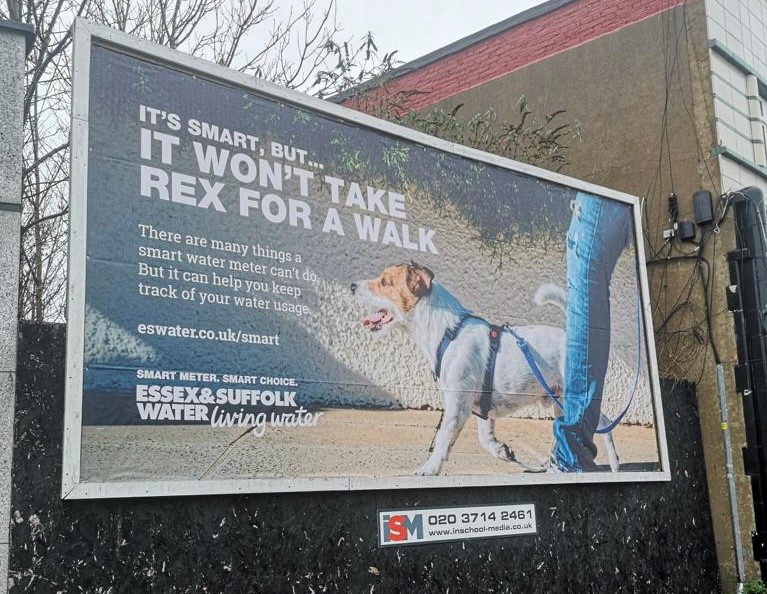
Large-format outdoor billboard advertising in a UK city environment
A practical guide to classic, digital and place-based outdoor media
Public media

Advertising seen outside the home

Many environments

Roadside, transport, retail and more

Classic + digital

Static and digital formats can work together

The simple definition

OOH means advertising people see while they are out of home

Out-of-home advertising is the collective term for advertising placed in public and shared environments outside the home. It includes billboards, transport media, street furniture, retail and leisure environments, plus digital screens in many of the same places.
The channel is defined by where the audience sees the advertising rather than by one particular format. A useful OOH plan starts with the audience, geography, objective, timing and budget, then selects the environments and media that fit those requirements.

Common OOH formats

The main types of out-of-home advertising

Different environments create different viewing conditions, so format choice should follow the role the campaign needs each placement to play.
01

Billboards and roadside

Large-format classic and digital placements can build visibility on major roads, in town centres and around high-traffic locations. Explore billboard advertising.
03

Retail and place-based media

Shopping centres, gyms, cinemas, petrol stations and other place-based environments can put advertising close to relevant activities and audiences.
04

Digital out-of-home (DOOH)

DOOH uses digital screens in public environments, allowing flexible creative, scheduling and, where suitable, programmatic buying. Explore digital out-of-home advertising.
How OOH campaigns are planned

A useful OOH plan starts with the audience, not the inventory

1

Define the audience and objective

Clarify who needs to notice the campaign, where they are, what the advertising needs to achieve and the available budget.
2

Choose the right environments

Identify the roads, journeys, venues and places where the audience can be reached in a credible context.
3

Select formats and locations

Compare realistic sites, networks and formats by visibility, reach, repetition, creative opportunity, availability and cost.
4

Launch, verify and measure

Prepare the creative, coordinate production and delivery, then use the available proof, audience estimates and campaign-specific response measures to review performance.
OOH and DOOH

What is the difference between OOH and DOOH?

OOH is the wider channel and includes both classic and digital outdoor media. DOOH means digital out-of-home: screens that can support changing creative, scheduled delivery and, on eligible inventory, programmatic DOOH. A campaign can use one or both depending on the brief.
Discuss an OOH campaign
Useful questions

Out-of-home advertising FAQs

What does OOH stand for in advertising?

OOH stands for out-of-home. It describes advertising seen in public and shared environments while people are away from home, including billboards, transport, retail, leisure and digital outdoor media.

What is the difference between OOH and DOOH?

OOH covers the whole out-of-home channel. DOOH is the digital part of that channel, using screens rather than only static printed formats.

How much does out-of-home advertising cost?

There is no single UK rate. Cost varies by location, format, dates, duration, audience demand, availability and production requirements. For a specific example, see the billboard advertising cost guide.

How is OOH advertising measured?

Measurement varies by format and media owner. It can include estimated audience delivery, impressions or plays, proof of posting or delivery, and campaign-specific response measures where they are appropriate.
From research to planning

Ready to turn OOH research into a campaign?

Share the audience, locations, dates, objective and available budget. DOOH Media can help compare suitable outdoor, digital and place-based options without forcing the brief into a pre-selected format.
Start a campaign conversation