Opens in a new tab
Classic OOH vs digital OOH

Digital vs classic outdoor advertising: which should you use?

Digital out-of-home has grown quickly, but classic outdoor advertising still reaches huge audiences and remains important across many UK environments. The right choice depends on what the campaign needs to achieve, where the audience is and how much flexibility the creative requires.
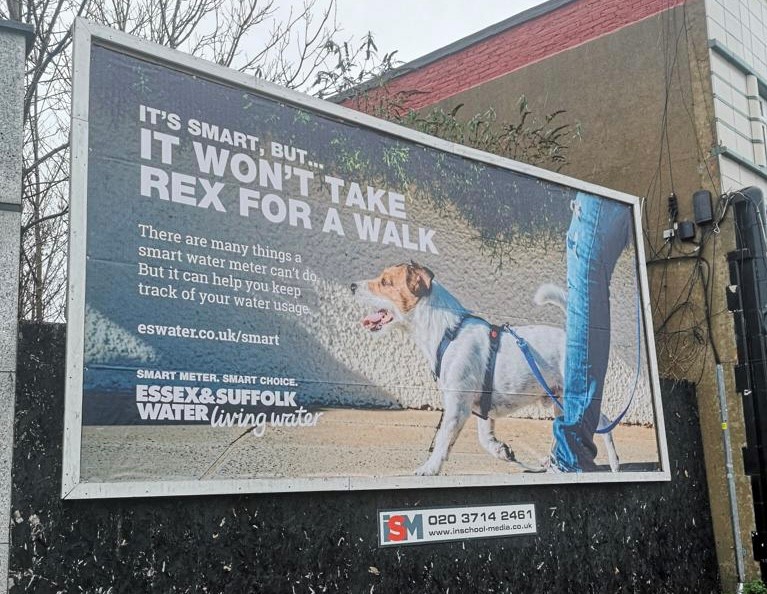
Large-format outdoor billboard advertising in a UK city environment
The best OOH plans choose formats around the brief rather than assuming digital is always better
68%

of UK OOH revenue was digital in Q2 2026

+14.6%

year-on-year growth for digital OOH revenue in Q2 2026

+8.8%

year-on-year growth for classic OOH revenue in the same quarter

Start with the distinction

Classic and digital OOH do different jobs well

Classic OOH uses fixed printed creative across formats such as posters, billboards, bus exteriors and other static placements. OOH itself is much broader than one format, but classic media remains a major part of the channel.
Digital out-of-home (DOOH) uses screens rather than fixed printed artwork. That can allow creative to change by time, location or campaign condition and, on suitable inventory, can support programmatic DOOH buying.
The key point is that digital is not simply a replacement for classic. Route's Q3 2026 audience data shows classic OOH reaching around 53.6 million GB adults in a measured week, while digital OOH reaches around 48.8 million. Both are large-scale channels, and the strongest choice depends on the brief.
A practical comparison

The main differences advertisers should care about

The format decision should come after the audience, geography, objective, timing and budget. These are the differences that usually matter when comparing the two routes.
01

Creative flexibility

Classic creative normally stays fixed for the booked campaign period. Digital screens can rotate multiple creative versions and can make scheduled message changes easier where the inventory supports them.
02

Location and availability

Some environments have a strong digital presence while others remain predominantly or entirely classic. Format availability can therefore be determined by the locations and journeys that matter most to the campaign.
03

Timing and context

Digital can be useful when different messages need to run at different times or when contextual delivery is genuinely useful. Classic can be stronger when consistent, repeated presence is the priority.
04

Production and buying route

Classic placements may require physical production and installation. Digital can remove some print requirements, but screen costs, buying technology, data and creative versions can change the overall budget. Neither route is automatically cheaper. Our billboard advertising cost guide explains the main budget components.
When classic OOH is a strong fit

Choose classic when the placement and repeated physical presence matter more than changing the message

Classic formats are often a strong choice for campaigns that want sustained visibility in a fixed location, a simple high-impact message or access to environments where digital inventory is limited or unavailable.
Route's current inventory data shows that some important environments remain entirely classic in the measured dataset, including bus exteriors, taxi exteriors, train carriage interiors and Tube carriage interiors. If those journeys matter to the audience, choosing digital only would remove useful options before planning has even started.
Classic can also work well when one strong piece of creative needs to own a location consistently. Billboard advertising is a good example: the decision should be driven by the site, audience and role of the placement rather than by whether the panel is digital.
Explore billboard advertising
When DOOH is a strong fit

Choose digital when flexibility, timing or multiple creative messages genuinely improve the plan

DOOH can be particularly useful when a campaign needs different creative versions, scheduled changes, shorter activation windows or contextual delivery. It can also be useful where digital screens dominate the environment.
Route's Q3 2026 data shows digital accounting for 94% of measured weekly impacts inside shopping centres, 78% around supermarket exteriors and 54% at rail stations. Those figures do not mean every campaign in those environments should be digital, but they show how important DOOH has become in some high-traffic locations.
For campaigns that need digital flexibility, see our digital out-of-home advertising service and, where relevant, our guide to programmatic DOOH.
Often the better answer

Many campaigns are stronger with a mix of classic and digital OOH

A mixed plan can combine the consistent physical presence of classic OOH with the creative flexibility of digital screens. The balance should follow the audience journey and campaign role of each environment, not an arbitrary percentage split.
1

Use classic for consistency

Build repeated recognition around important routes, neighbourhoods or fixed high-value sites.
2

Use digital for flexibility

Rotate creative, adapt timing or add relevant messages where the digital inventory supports it.
3

Measure the plan as one campaign

Judge the mix against the audience, reach, repetition, campaign objective and response rather than treating each format as an isolated channel.
A better way to decide

Ask these questions before choosing classic, digital or both

Where does the audience need to be reached?

Start with locations, journeys and environments. Available inventory may narrow the format choice immediately.

Does the message need to change?

If one strong creative can run consistently, classic may be enough. If timing or multiple messages matter, digital becomes more useful.

Is a specific site important?

The best site for the brief may be classic or digital. Do not rule it out just to force the campaign into a preferred buying route.

What does the full budget include?

Compare media, production, creative versions, technology and any data or reporting requirements rather than comparing headline media rates alone.

What would each format add to the campaign?

If there is no clear benefit to adding a format, do not add it for novelty. A simpler plan can be stronger when every placement has a clear role.
Choose around the brief

Need help choosing between classic, digital or a mixed OOH plan?

Share the audience, locations, dates, objective and available budget. DOOH Media can compare suitable classic and digital inventory and explain which options genuinely add value to the campaign.
Discuss an OOH campaign